You've been burned before. We've seen the playbook: lock the client into a 12-month contract, run ads with no plan, no tracking, no idea where leads come from, and ghost when the phone stops ringing. This is the opposite of that.
In our intro call, you told us you've been through it with digital marketers. Locked into contracts. Promised leads that never showed. No transparency on what was actually working. By the time you wanted out, you'd lost months and real money.
We don't ask you to sign a contract. We ask you to trust the work for 30 days, see the dashboard, see the leads, and decide month by month if we're earning the fee.
If we're not, you walk. No clawbacks, no penalty, no awkward email chain. That's the only fair way to start a relationship with someone who's been burned.
For context: across the brands we work with, our average is a 46% drop in what it costs to get a new customer, and a 152% lift in revenue earned per ad dollar spent, within the first 90 days. We don't expect you to take that on faith. We expect you to watch it happen in your dashboard, month by month.
You won't recognize all these names, and that's fine. The point is that the systems behind your ads, the tracking, the creative pipeline, the dashboard reporting, are the same ones we run for brands spending six and seven figures a month on Meta. You're getting that infrastructure pointed at gutters.
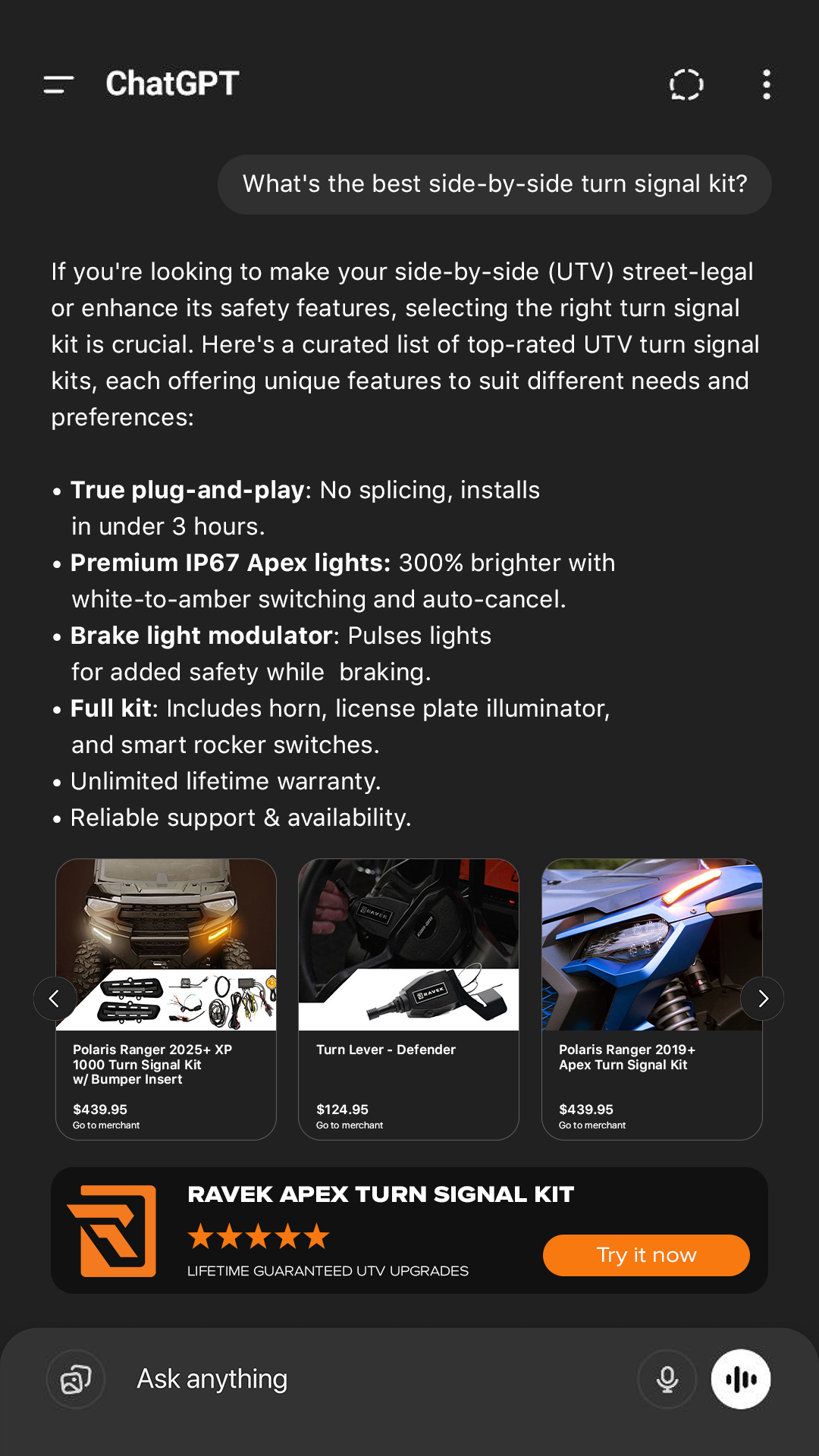
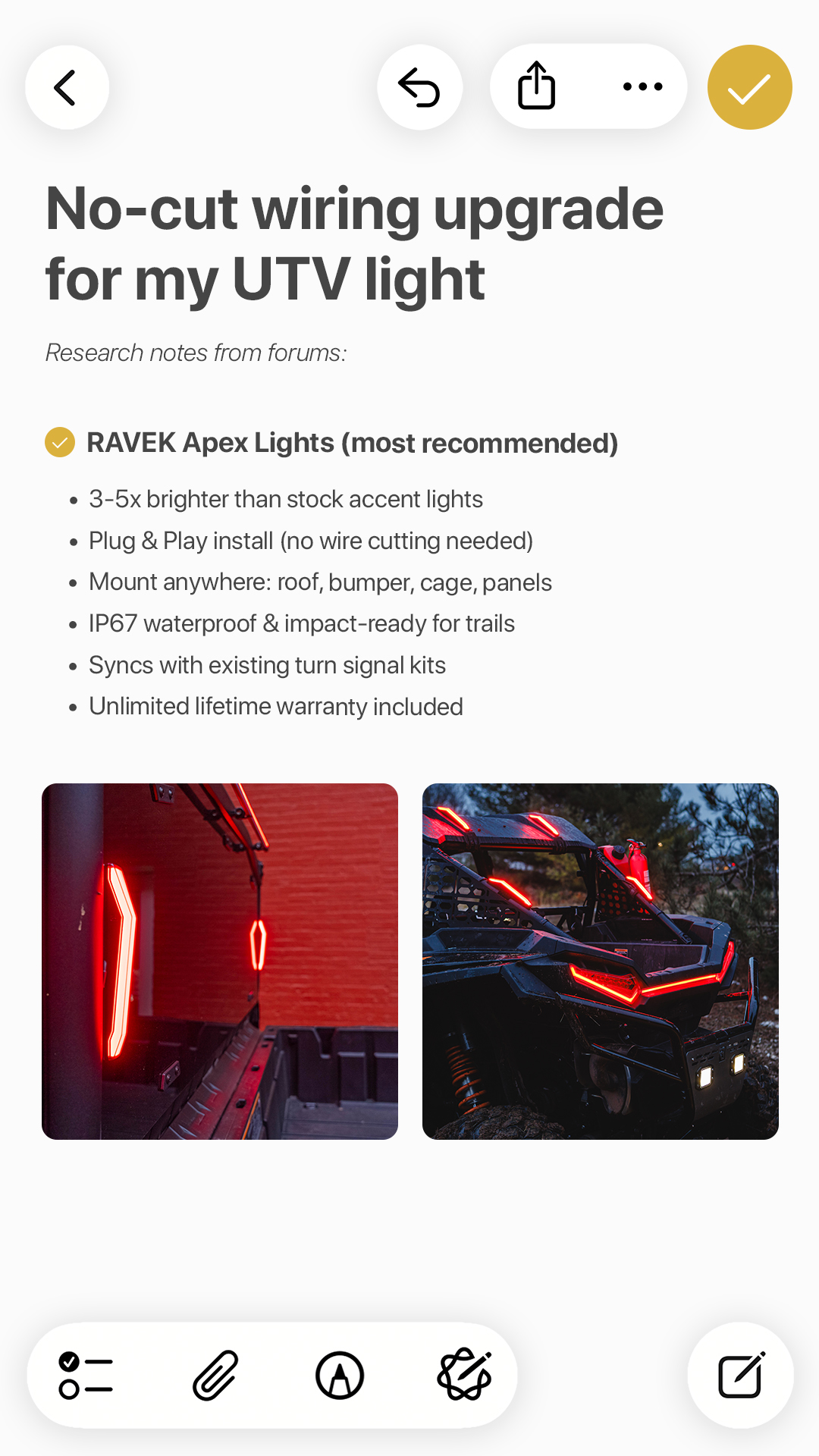
Ravek makes UTV upgrades, lighting kits, storage systems, comfort upgrades that customers install on their own machines. Brothers run it, just like you. When they came to us, they had a great product, loyal riders, and no real paid ads program.
We mapped their funnel, set up tracking from scratch, and built a creative engine around the two things that actually moved the needle: founder videos and real installation videos. Not stock product shots, not lifestyle slop, just the brothers explaining what they made and footage of the parts going on actual UTVs in the dirt.
That creative carried the account. We took them from $0 to $1M in their first year on direct-to-consumer paid ads. This year, they're growing at an average of 700% year over year.
That's the closest thing in our book to what we'd do for Gutter Goat. Founder videos. Install videos. Real footage of real work. Different product, same playbook.
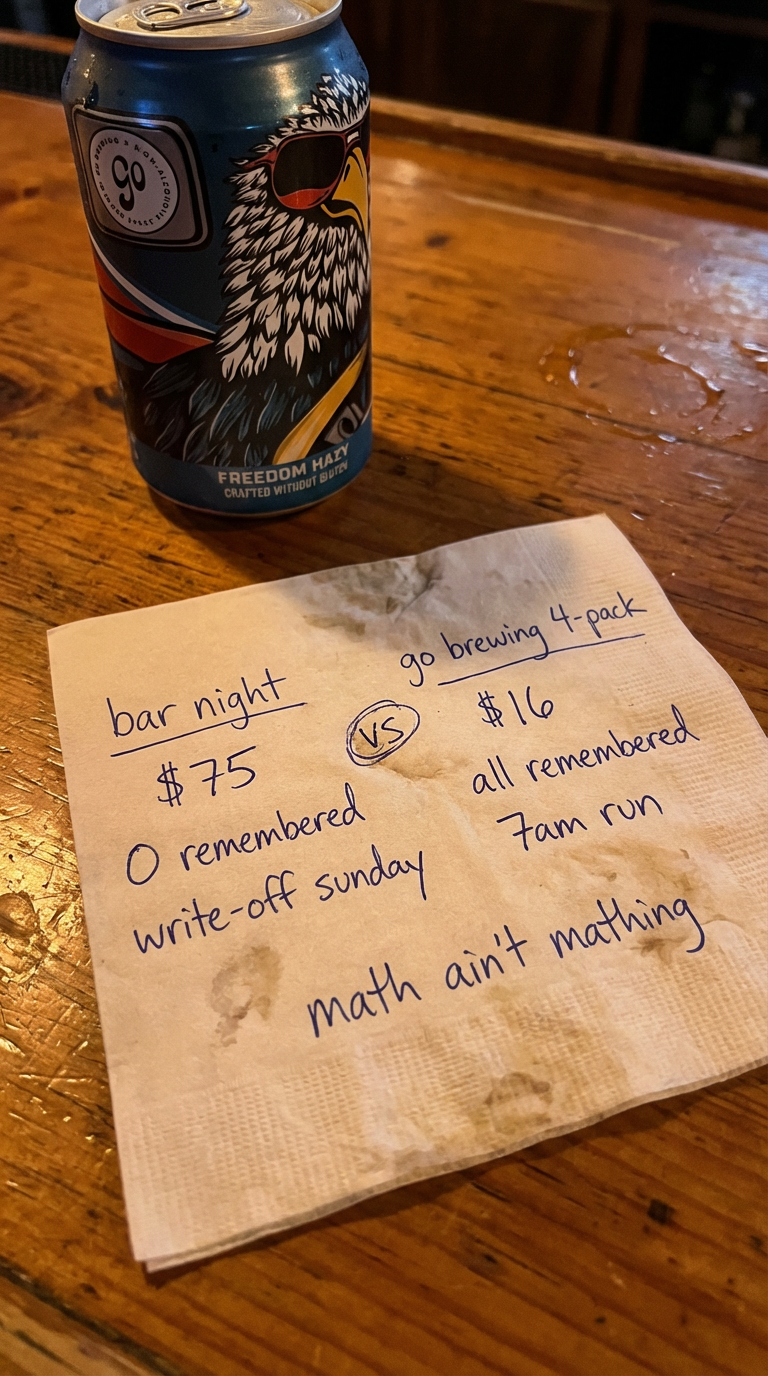
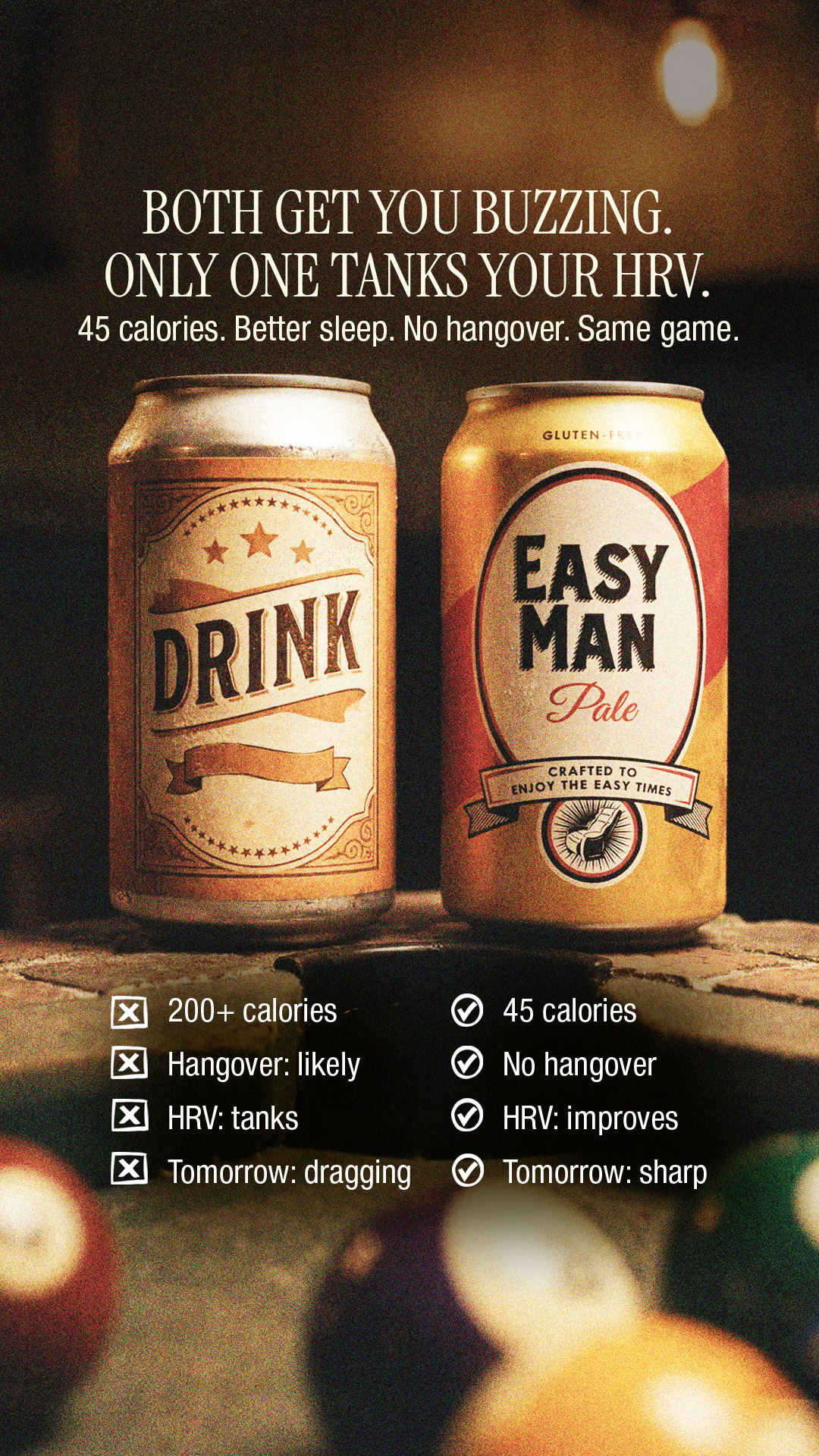
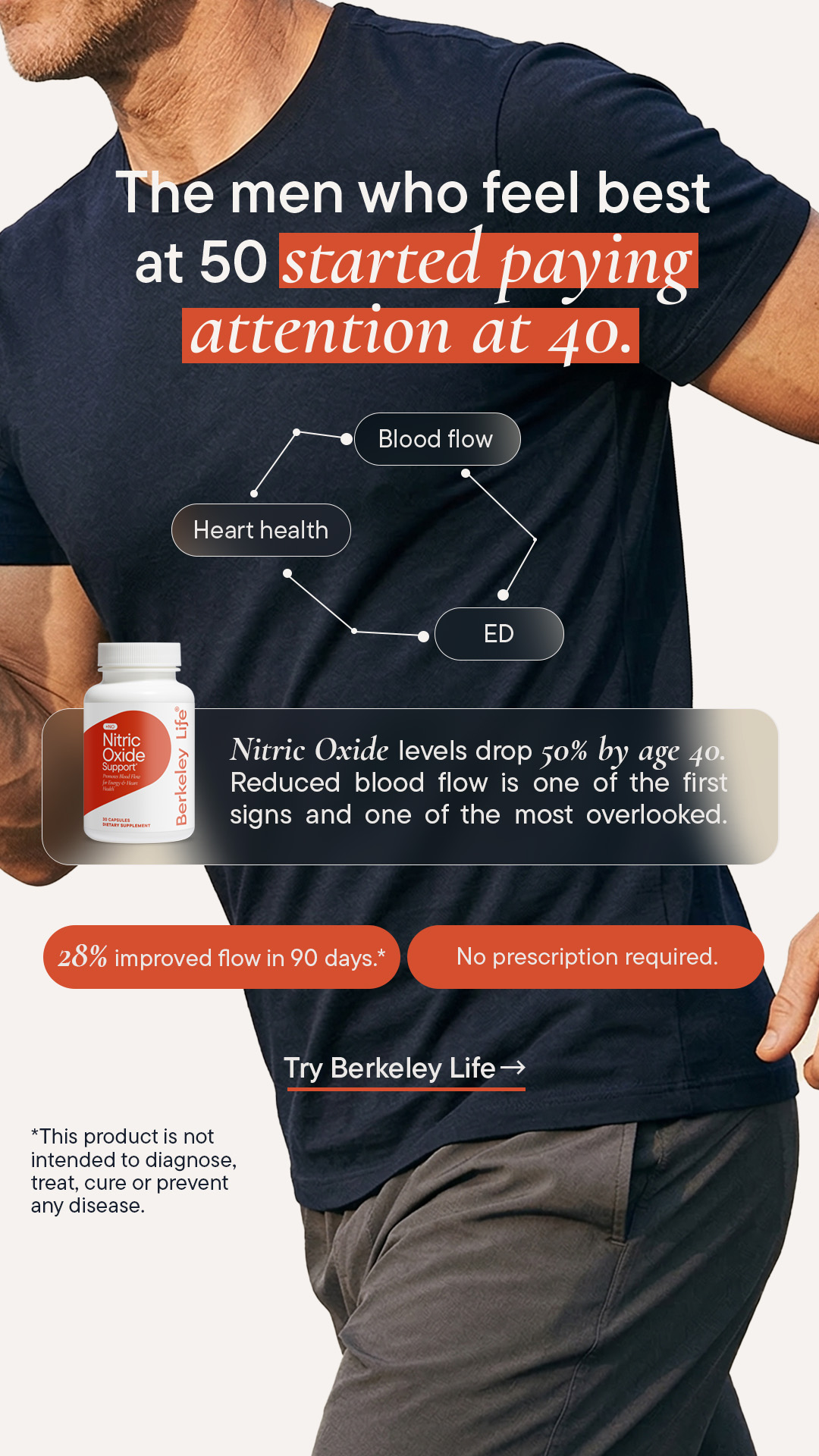
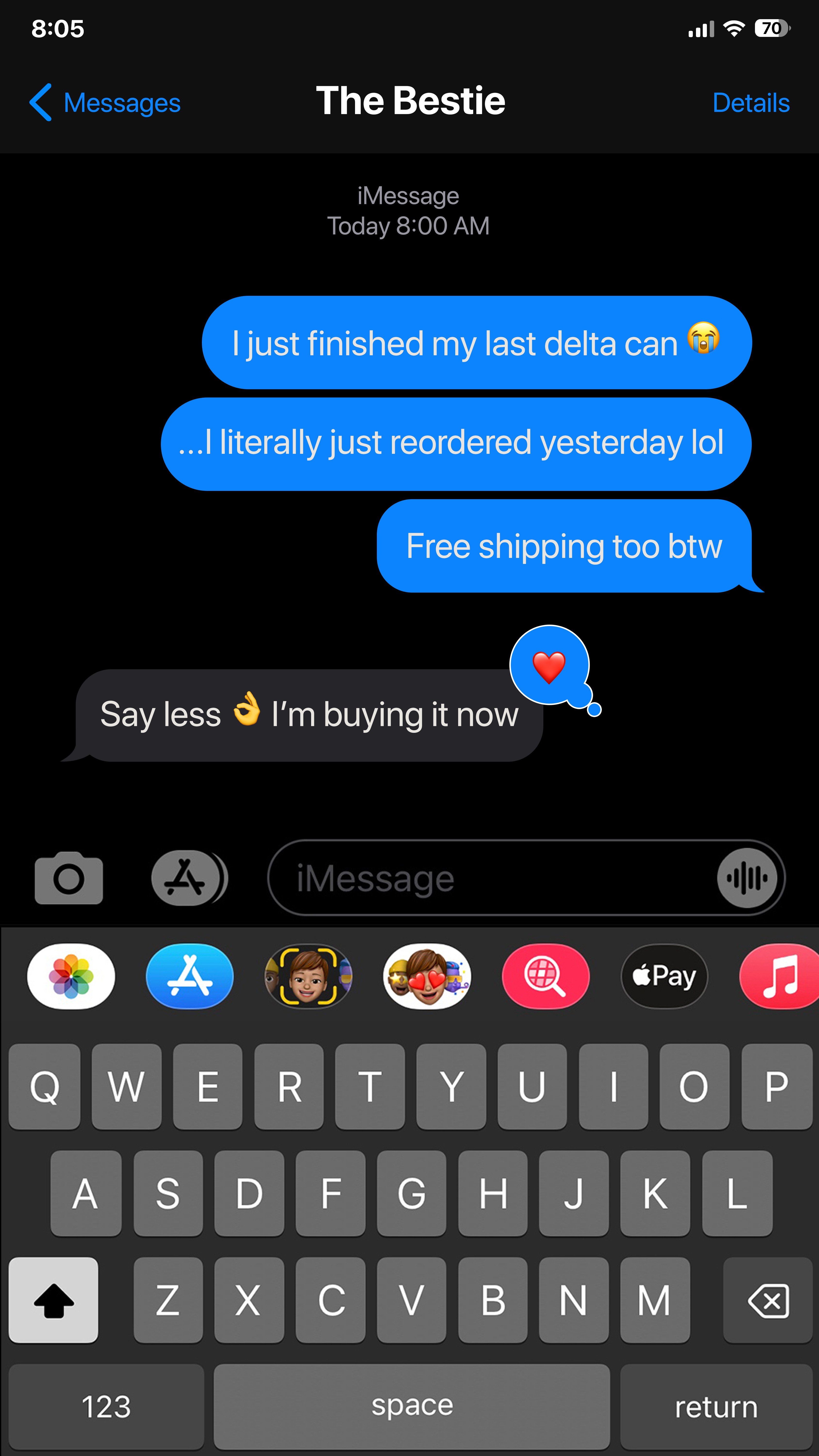
A few of the ads we've shipped recently, including two from Ravek:
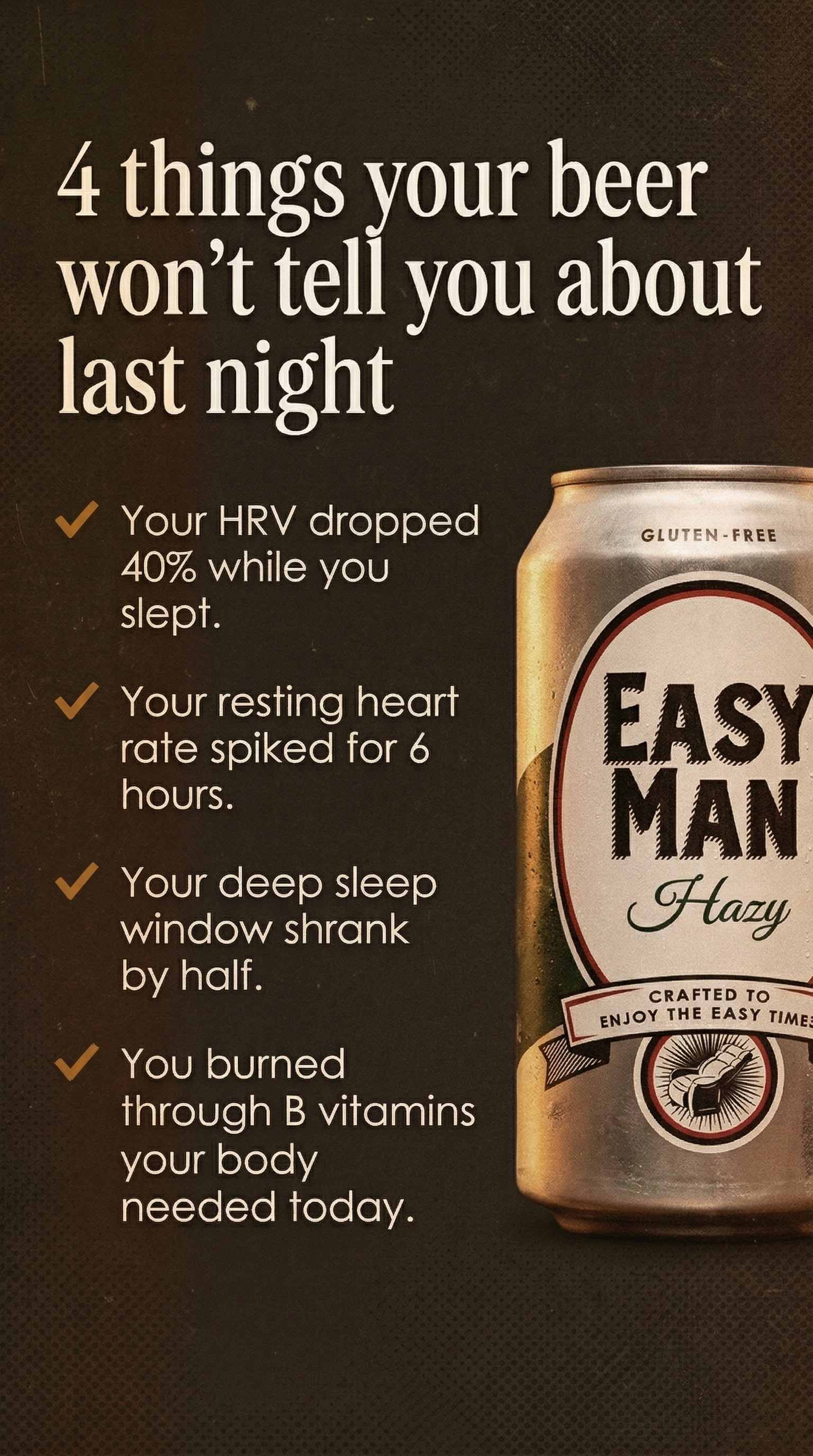
And the broader book:
Yours won't look like Go Brewing or Berkeley Life. They'll look like Gutter Goat. Real photos of your trucks, your crews, your install jobs, your customers. Same playbook, different visual language.
A digital marketer makes ads. A growth operator looks at your whole business and asks where the leak is, then plugs it.
Runs ads. Reports clicks and impressions. Doesn't know what your average job is worth, or which service makes you the most money. Hands you a contract and a monthly retainer.
Maps your sales funnel first. Tests which service pulls the most qualified inquiries. Tracks cost per inquiry by service, not just total leads. Reports on revenue per ad dollar, not clicks and impressions. Month-to-month, not locked in.
Before we run a single ad, we map every step a customer takes from "saw the ad" to "wrote the check." Then we put a number on each step. That's the only way to know what's actually broken.
Someone sees your ad in their feed. Do they stop scrolling? Do they tap?
They land on your site. Is the page about gutters? Or is it the homepage with eight things on it?
They request a quote, fill the form, or hit the call button. This is the inquiry.
You or your team reach out. They either book an estimate or they don't.
You quote the work. They sign or they ghost.
Total revenue divided by total ad spend. The only number that actually matters.
Most agencies pick one and call it a strategy. Local home services needs both, because they catch different customers at different moments.
What it does: reaches homeowners while they're scrolling through their feed and not actively shopping for gutters. Plants the brand. Builds awareness. Catches the customer six months before they actually search.
Why it matters for you: homeowners don't think about gutters until they have to. Meta is how we get Gutter Goat top-of-mind before the leak shows up, so when it does, you're the first call.
What it does: shows up the moment someone types "gutter installation Charlotte" or "gutter cleaning near me." These are people ready to call this week, not next quarter.
Why it matters for you: high-intent searches close fast. Google fills the bottom of the funnel with people who've already decided they need gutters. Lower volume than Meta, but higher conversion rate.
Most of your spend will go to Meta because that's where the volume lives. But the Google budget is what makes the math work in the first 30 days. Search captures customers who are already shopping, and that gives us early wins to prove the funnel is working while Meta builds momentum.
A $300 cleaning isn't the same lead as a $4,000 install. Most agencies treat them like one thing. We test creative and audiences against each of your three core service lines separately, and find out where the cost per quality inquiry is lowest.
High ticket, longer sales cycle, homeowner in research mode. Different creative, different landing page.
Often an upgrade or add-on. A "we've been meaning to" purchase. Different angle, different proof points.
Seasonal, lower ticket, higher volume. Different creative cadence, geo-tuned to fall and spring.
After 30 days we'll know which of your three services has the lowest cost per qualified inquiry, the highest close rate, and the best return per dollar spent. That's the one we lean into. The others get scaled back or rebuilt.
We pulled the local landscape so the strategy isn't built in a vacuum. Here's what each of the names you mentioned is actually doing, and where the open lanes are.
The opening: none of your direct competitors are running a real paid play with a tracked funnel. The local market is being won on Google reviews and word of mouth alone. We capture both lanes: Meta for the homeowner scrolling Facebook while thinking about projects (awareness and demand-gen volume), and Google for the homeowner actively typing "gutter installation Charlotte" right now (high-intent capture).
Our standard creative package is $4K/month at much higher volume, built for DTC brands burning through Meta budgets. You don't need that volume. You need quality, tested, locally-voiced creative on a steady bi-weekly drip. So we built this tier specifically for businesses like yours.
Most agencies charge a percentage of ad spend from dollar one. So the more they get you to spend, the more they make, whether it's working or not. We don't think that's the right incentive.
Our base fee covers all media buying work up to $42,000 per month in combined Meta and Google ad spend. For context, that's a serious monthly budget for a local business. Most home services brands at your stage operate well below that ceiling. Above $42K, the workload genuinely scales (more campaigns, more audiences, more daily monitoring), and the 7% only applies to the portion above the threshold.
What that means for you: at the spend level we'd recommend starting at, your fee is exactly $6,000/month, flat. No surprise add-ons. If we ever get to a point where 7% would kick in, it's because the campaigns are working hard enough to justify scaling up, and we'd talk about it together before getting there.
You told us you won't sign a contract, and we get why. So we don't ask for one. What you'll sign is an agreement, and the difference matters:
A contract locks you in for a fixed term (usually 6 or 12 months). If you want out before the term ends, you owe the remaining months. That's how the last guys held you hostage.
An agreement is a working document that lays out scope, deliverables, fees, and how either of us can end it. Ours is month-to-month with 30 days' notice on either side. If we're not earning the fee, you walk. No lock-in, no buyout, no penalty. We sign it because both of us need clarity on what's in scope, not because either of us is trying to trap the other.
If anything in our agreement feels like a contract in disguise, flag it and we'll rewrite it. The whole point of working with us is that you stay free to leave.
Meta Business Manager access, website edit access, ability to install pixel and tags. Shared Slack channel spun up for day-to-day.
Meta pixel installed and tested, Google tag installed, conversion events configured, call tracking number set up, form submissions wired to events. The thing nobody bothered to do for you before.
Half-day on-site or remote shoot to capture founder content, work-in-progress footage, before/after material. Service-by-service messaging mapped. Landing pages reviewed (and rebuilt if needed, flagged separately).
First video + statics in your Slack. Ads launched across the three service lines. Dashboard goes live for you and Mike to watch in real time.
Sit-down (Zoom or in-person, your call) to walk through the dashboard. Cost per inquiry by service. Conversion at every step. What's working, what's getting cut, what we're testing next.
At the end of the day we are real people. Three of us, real names, you'll know who's doing what.
Runs SelfMade and leads our AI-driven creative track. Won't be on every call, but sets the bar for how we use AI to scale creative, the persona work, and the iteration loops behind it.
Your day-to-day point person. Owns strategy, creative direction, and the dashboard. We'll work together to map your sales funnel from the ground up: defining each step, putting the tracking in place, and adjusting the plan based on what we see.
Keeps everything moving on time. Manages creative delivery, tracks the production pipeline, and is the one in your Slack channel making sure nothing slips.
No contract to sign. No commitment past 30 days. Just a chance to see what a real growth partner looks like, and decide for yourselves at the end of month one.